Purple Toadflax: The Best Beeattracting Flower
Title: Purple Toadflax: The Best Bee-Attracting Flower
Introduction:
Bees are essential pollinators, but their numbers are declining. One way to help bees is to plant bee-friendly flowers in your garden. Purple toadflax is one of the best bee-attracting flowers. It is a tall, upright plant with spikes of purple flowers that bloom from summer to fall. The flowers are rich in nectar and pollen, which attracts a variety of bees, including honeybees, bumblebees, and mason bees.
Main Content:
- Planting purple toadflax: Purple toadflax is easy to grow from seed. Sow the seeds in the spring or fall in well-drained soil in full sun. The plants will grow to be about 2-3 feet tall and will spread to form a clump.
- Caring for purple toadflax: Purple toadflax is a low-maintenance plant. It does not need to be watered frequently, and it is drought-tolerant. The plants will benefit from a light application of fertilizer in the spring.
- Attracting bees to purple toadflax: Purple toadflax is a magnet for bees. The flowers are a deep purple color, which bees are attracted to. The flowers also produce a lot of nectar and pollen, which bees need to survive.
- Benefits of planting purple toadflax: Planting purple toadflax in your garden can help to support the local bee population. Bees are essential for pollination, which is necessary for the production of food. By planting purple toadflax, you can help to ensure that bees have a place to live and thrive.
Conclusion:
Purple toadflax is a beautiful and beneficial plant that can be easily grown in any garden. It is a great way to attract bees and support the local pollinator population. If you are looking for a way to help bees, consider planting purple toadflax in your garden today.
Purple toadflax is a beautiful and easy-to-grow perennial plant that is native to Europe. It features tall, slender stems topped with clusters of small, trumpet-shaped purple flowers. Purple toadflax is a popular choice for cottage gardens and rock gardens, and it can also be grown in containers.
If you are interested in learning more about purple toadflax, please visit Home Gardening. This website provides detailed information on the plant's care, cultivation, and uses. You can also find photos of purple toadflax in bloom, as well as tips on how to identify it in the wild.
FAQ of purple toadflax
- What is purple toadflax?
Purple toadflax (Linaria purpurea) is a perennial flowering plant native to Italy. It is also known as Italian toadflax, bluebottle, and butter and eggs. Purple toadflax has tall, slender stems that are topped with clusters of small, purple flowers. The flowers are about 1-2 centimeters long and have two lips, with a spur at the end of the lower lip. Purple toadflax blooms from late spring to early fall.
- How to grow purple toadflax from seed?
Purple toadflax is easy to grow from seed. Sow the seeds directly in the soil in the spring, after the last frost. The seeds should be sown shallowly, about 1/4 inch deep. Keep the soil moist until the seeds germinate, which usually takes about 2-3 weeks. Purple toadflax can also be started indoors 6-8 weeks before the last frost. Sow the seeds in a seed tray or pot filled with moist potting mix. Cover the seeds lightly with potting mix and keep the soil moist. The seedlings should emerge in about 2-3 weeks. Once the seedlings have developed a few sets of leaves, transplant them outdoors into the garden.
- Where to plant purple toadflax?
Purple toadflax prefers full sun but can tolerate partial shade. It grows best in well-drained soil that is rich in organic matter. Purple toadflax is not drought-tolerant, so it is important to water it regularly during the summer months.
- How to care for purple toadflax?
Purple toadflax is a relatively low-maintenance plant. It does not need to be fertilized often, but you can give it a light application of fertilizer in the spring to help promote flowering. Purple toadflax may need to be deadheaded (removing spent flowers) to encourage new blooms. In the fall, you can cut the plant back to the ground to prepare it for winter.
- Is purple toadflax poisonous?
Purple toadflax is not poisonous to humans or animals. However, it can cause allergic reactions in some people. If you have any concerns, it is best to consult with a doctor or veterinarian before using purple toadflax.
- How to control purple toadflax?
Purple toadflax can be a bit of a weed, as it can self-seed readily. If you want to control purple toadflax, you can remove the spent flowers to prevent self-seeding. You can also dig up the plants or use a herbicide to kill them.
Image of purple toadflax
10 different images of purple toadflax that are free to use:
- Purple toadflax in full bloom. The flowers are a deep purple color and have a long, slender spur.
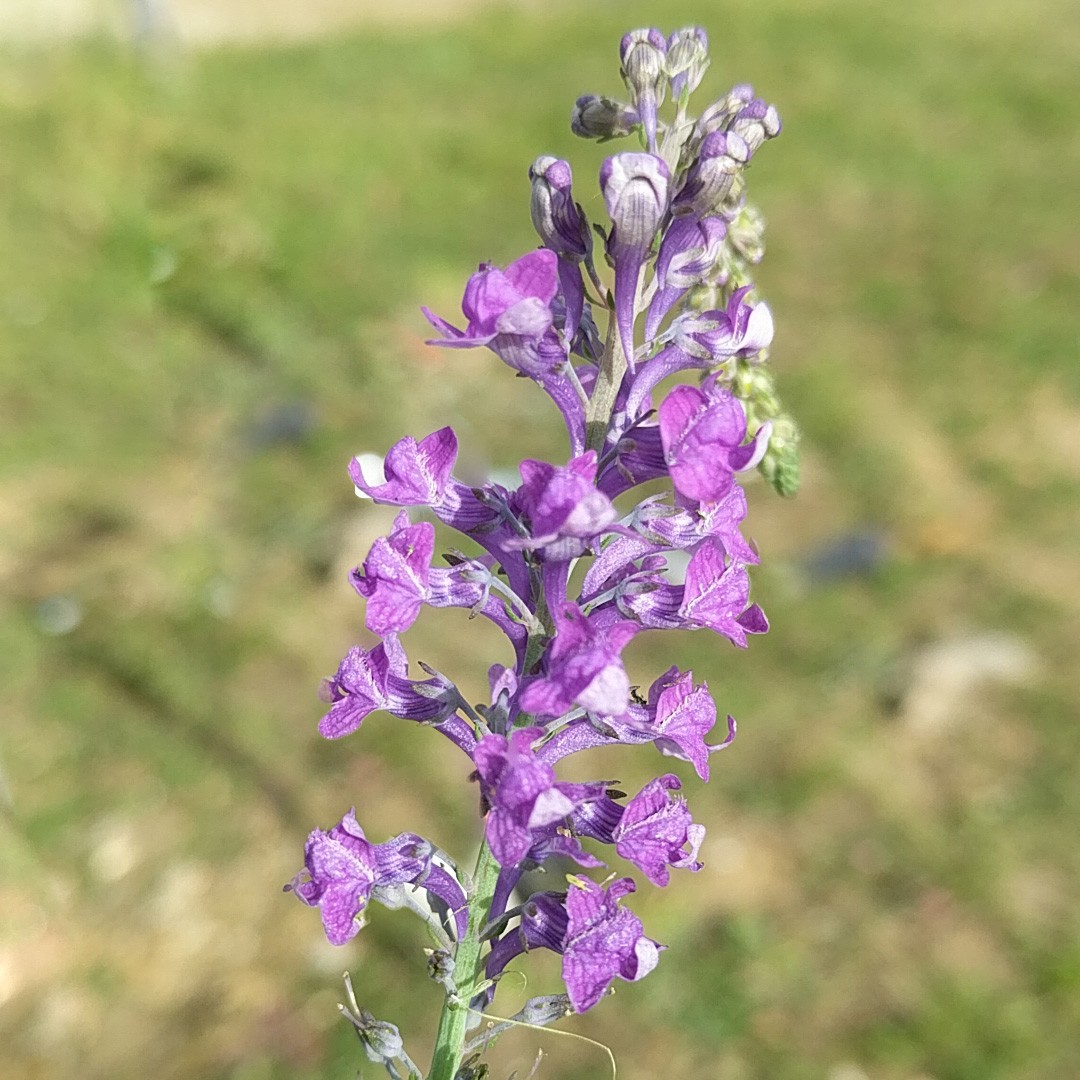
- A close-up of a purple toadflax flower. The flower is trumpet-shaped and has a prominent stamen.

- A cluster of purple toadflax flowers. The flowers are arranged in a loose cluster on a tall, slender stem.
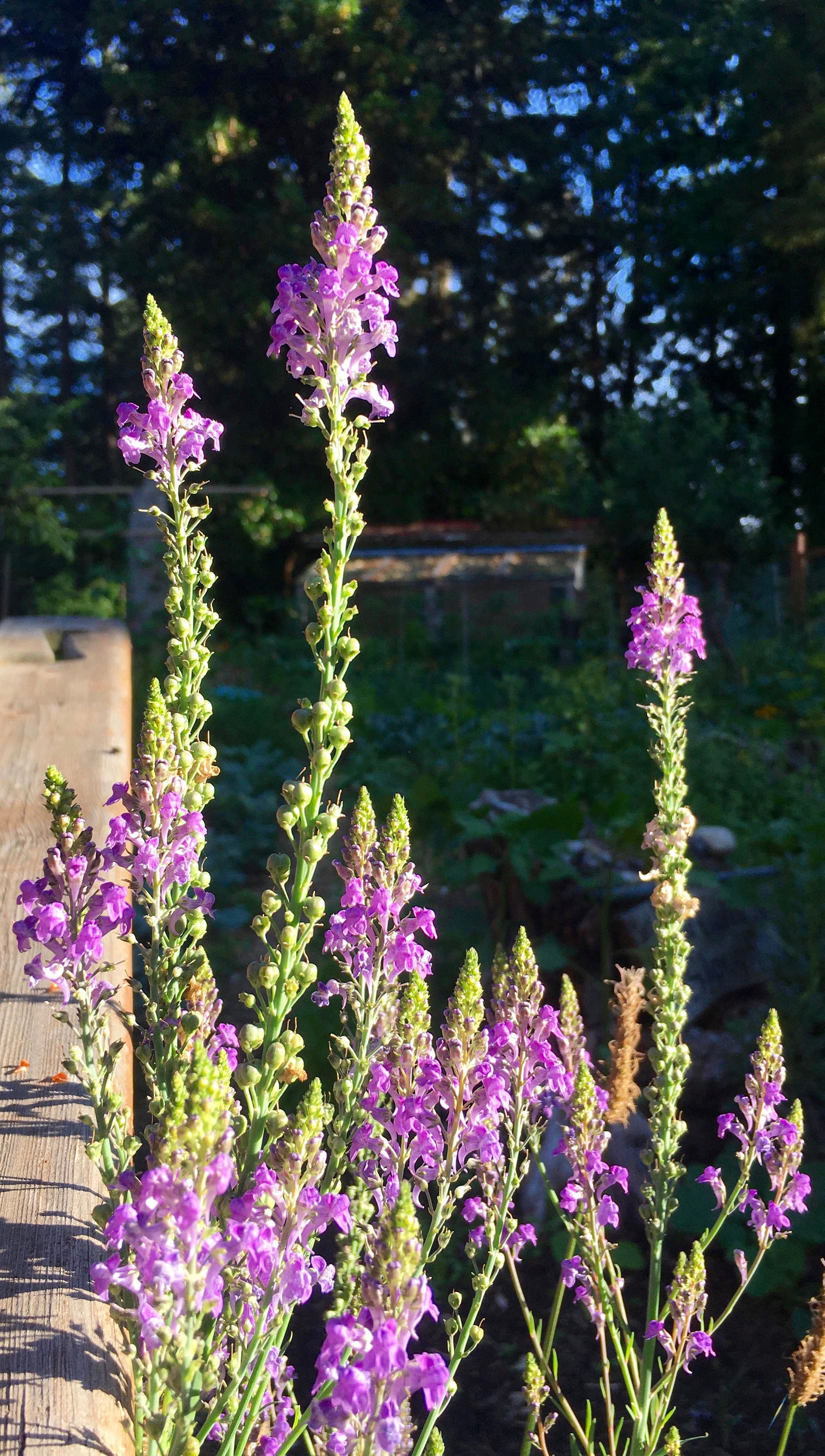
- Purple toadflax growing in a meadow. The flowers are surrounded by green grass and other wildflowers.

- A toad sitting on a purple toadflax flower. The toad is a bright orange color and has black spots.
- A butterfly nectaring on a purple toadflax flower. The butterfly is a blue color with white markings.

- A hummingbird hovering in front of a purple toadflax flower. The hummingbird is a green color with a red throat.
- A purple toadflax flower in a vase. The flower is still in full bloom and looks beautiful in the vase.

- A purple toadflax plant in a garden. The plant is healthy and has several flowers in bloom.
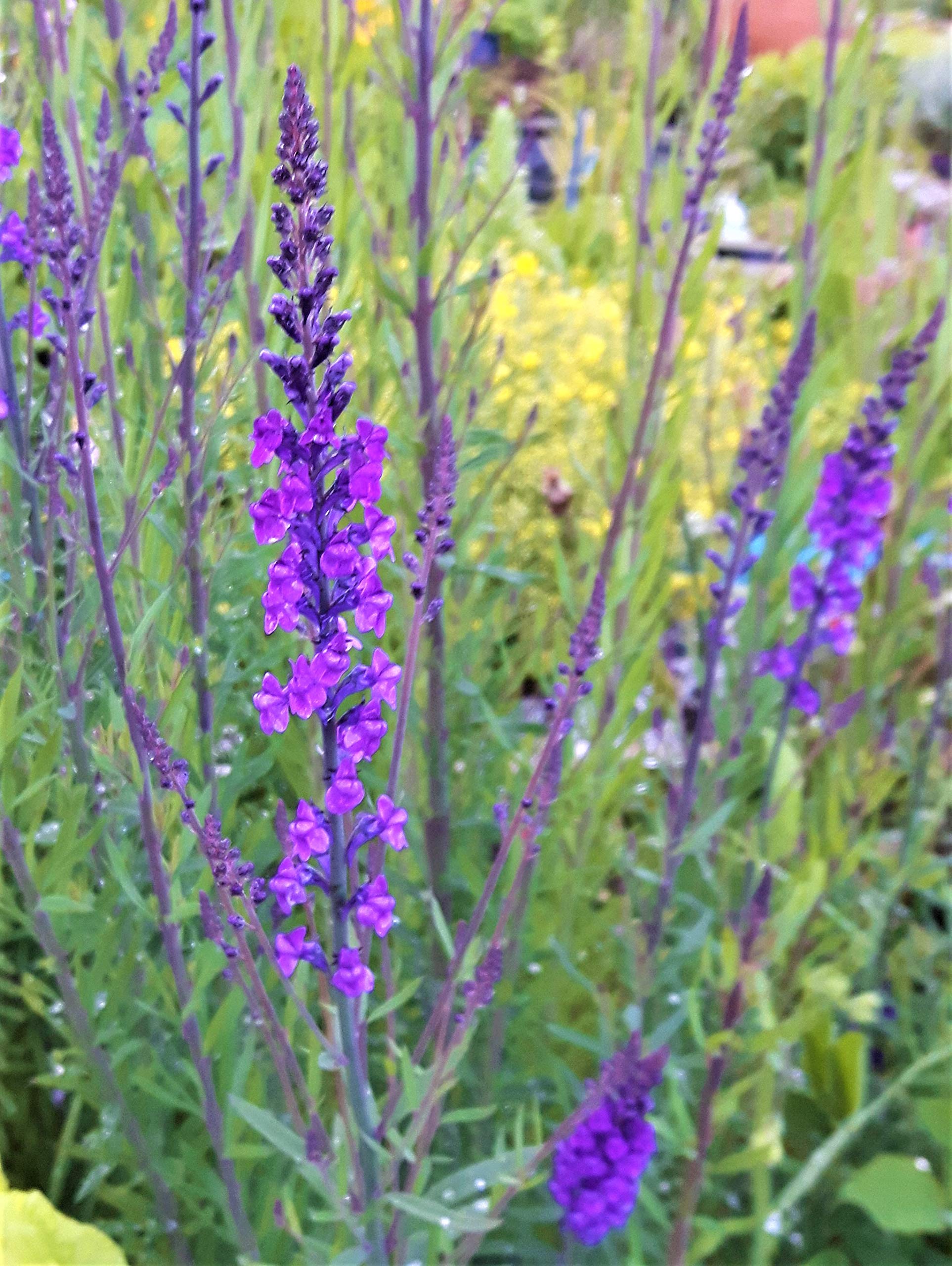
- A seed pod from a purple toadflax plant. The seed pod is brown and has a long, slender tip.


Post a Comment for "Purple Toadflax: The Best Beeattracting Flower"